
Ecommerce development built to convert and scale, not just go live
Launching online or moving off a platform you have outgrown? We build e-commerce stores for retailers and DTC brands that load fast, walk shoppers to the buy button, and stay easy to run as your catalog and order volume grow.
Going live is the easy part. Converting is the job
A store that simply exists is a low bar. The harder question is whether it turns visitors into orders, and most do not do it well. Some of that is browsing that was never going to convert. A large share is fixable friction: a sluggish product page, a checkout that demands an account, surprise shipping costs at the final step, a search box that cannot find a product the shopper knows you stock. We build for the order, not the screenshot. Every decision is measured against whether it helps a real person find what they want and pay for it without second-guessing.
From a first storefront to fixing a funnel that leaks
Whether you are selling online for the first time or rescuing a store that underperforms, the work falls into a few clear lanes.
New storefronts
A first online store for a brand that has been selling through wholesale, a marketplace, or a single retail location, built on the platform that suits the catalog.
Replatforming and migration
A controlled move off a setup you have outgrown, carrying products, customer accounts, order history, and search rankings across so you do not restart from zero.
Checkout and funnel repair
A focused fix for the cart and checkout steps where shoppers quietly abandon, backed by what the analytics actually show.
Payments, shipping, and tax
Connections to the gateways, carriers, and tax tools you sell and fulfil with, configured for the regions you ship to.
Inventory and operations sync
Links to the inventory, POS, or ERP systems that keep stock counts honest and stop you overselling.
Speed and mobile work
Image, theme, and front-end tuning aimed at the phone screens where most carts start and most patience runs out.
We pick the platform for your catalog, not for our comfort
Platform choice is the decision that quietly shapes everything afterward, so we make it on evidence. Shopify tends to win when a brand wants to sell quickly with hosted reliability and a strong app ecosystem. WooCommerce earns its place when content and store live together on WordPress and you want full control of the data. Magento and Adobe Commerce are built for large, complex catalogues and B2B, and BigCommerce suits growing catalogs and teams that want flexibility without managing servers. A custom build is the right call only when your model is genuinely unusual and an off-the-shelf platform would fight you. We size your catalog, volume, and fulfilment, then recommend the fit and explain the trade-offs in plain terms.
Catalog first, platform second, conversion throughout
We run e-commerce projects as a sequence of deliberate stages, starting with what you sell and ending with a funnel we keep tuning after launch.
- 01
Map the catalog and the customer
Before we talk platforms, we look at what you actually sell: how many SKUs, how often the range changes, whether you ship physical goods, subscriptions, or both. We map how a first-time buyer finds a product, decides, and pays, because that path is where revenue is won or lost.
- 02
Choose the platform on evidence, not habit
We score Shopify, WooCommerce, BigCommerce, and a custom build against your catalog size, order volume, fulfilment model, and the team who has to run it. You get a recommendation with the trade-offs spelled out, not a default we happen to like.
- 03
Design the path to checkout
We design product, collection, cart, and checkout pages around the decision a shopper is making, with category structure and search that surface the right product fast. Fewer steps, clearer pricing, obvious trust signals.
- 04
Build and wire up fulfilment
We build the storefront and connect the plumbing that turns a click into a shipped order: payment gateways, real-time shipping rates, tax, inventory sync, and the back-office or ERP tools your team already lives in.
- 05
Test on a phone, then everything else
We test the buying journey on real devices and throttled connections first, because that is where most of your traffic and most of your drop-off lives. Edge cases like discount codes, out-of-stock states, and guest checkout get tested too.
- 06
Launch, then read the funnel
We ship, watch how the store behaves under live traffic, and then keep tuning the numbers that move money: conversion rate, average order value, checkout completion, and how quickly your team can add a product or run a sale.
A real example: a confectionery brand selling online
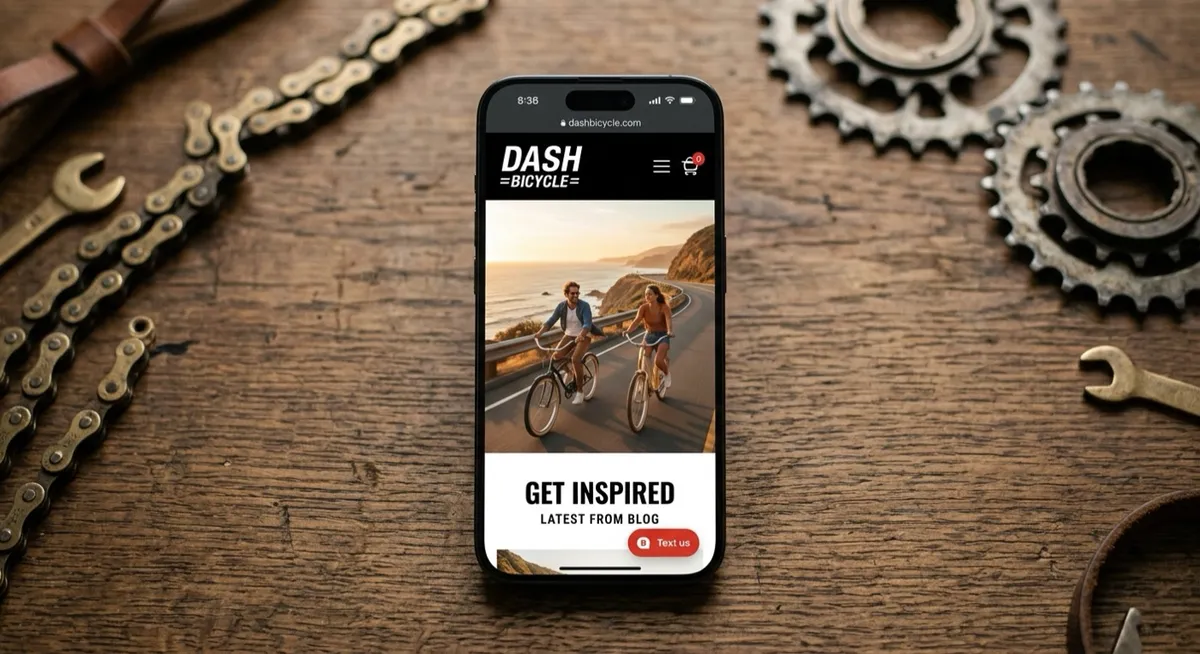
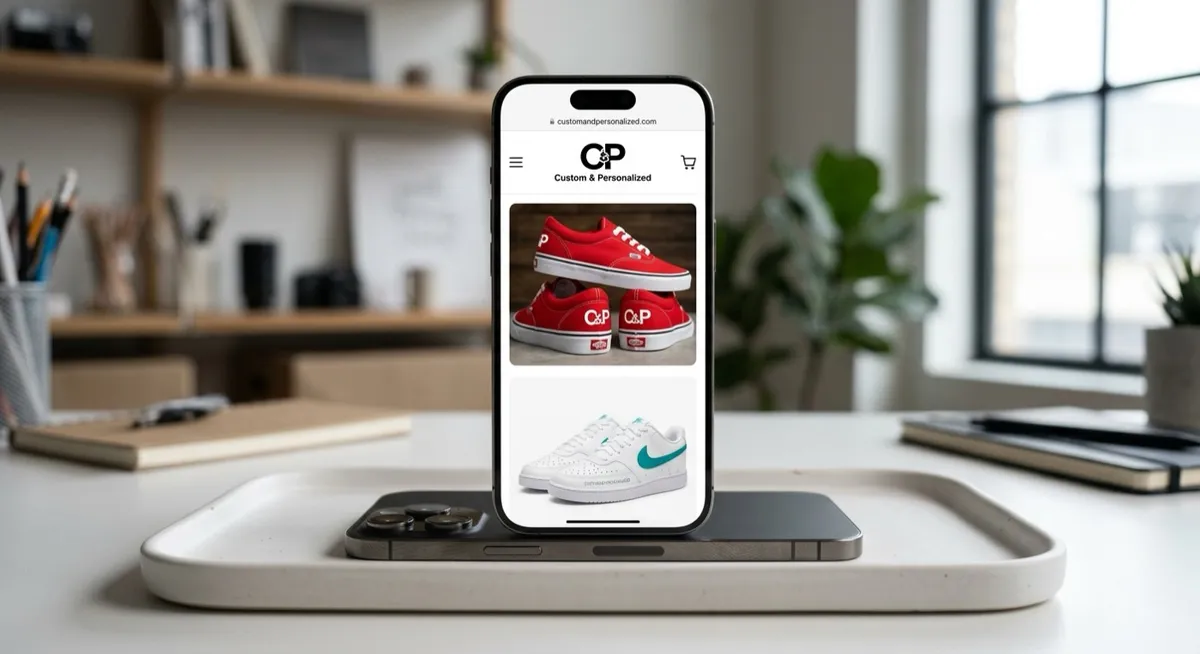
Take a maker like Langs Chocolates, a brand whose products are physical, seasonal, and bought largely as gifts. A store like that lives or dies on a few specifics: appetising product photography that loads fast, variant handling for boxes and assortments, accurate shipping for perishable goods, and a checkout that holds up during the Christmas and Valentine's rush when traffic spikes and patience is short. The same instincts shaped work for a personalised-gifting brand like Scribble On Me, where product customisation has to feel effortless on a phone or the sale slips away. We design for the way people actually shop those catalogs, not a generic template.
E-commerce work that fits if you
Not sure a rebuild is the right move? A conversion and speed audit will show you, with numbers, where the orders are leaking.
Frequently asked questions
We weigh four things: your catalog size and how often it changes, your order volume now and a year out, how you fulfil, and who maintains the store after launch. A 40-product DTC brand, a 10,000-SKU catalog, and a subscription box each point to a different answer. We hand you the reasoning, not just the name.
Yes. Migration includes products, customers, and order history, plus a redirect plan that maps old URLs to new ones so the SEO equity you have built carries over instead of evaporating on launch day.
That is one of the most common reasons brands call us. We start with a conversion and speed audit, find where shoppers drop out of the funnel, and fix the steps that are costing orders rather than rebuilding for the sake of it.
Yes. We configure the gateways, carrier rates, and tax rules for the regions you sell into, and connect inventory so stock stays accurate across channels.
Because the majority of store visits happen on phones, and Google has reported that 53% of mobile visits are abandoned when a page takes longer than three seconds to load. A slow mobile storefront loses sales before a shopper ever sees a product.
Yes. We build with the people who add products and run promotions in mind, set up the admin so everyday tasks are straightforward, and walk your team through it so you are not dependent on a developer for routine changes.










What clients say about working with us



Gaurav and his team were great to work with in that they kept in touch and gave me realistic timelines that they met or exceeded. I will use them again!
I had a great experience working with OgreLogic and would recommend them to anyone. The website design itself and communication was amazing. Any time I had a question or request, they were quick to reply.
I hired OgreLogic to redesign my site. After they did an outstanding job and captured my vision perfectly, I hired them to add an ecommerce section. They also manage my Google ads. Great company and very responsive.
From the blog
Related reading from our blog
Website Redesign Checklist: What to Do Before You Start
A practical website redesign checklist: the goals, content, SEO, and technical steps to settle before design begins, so the new site beats the old one.

Magento vs Shopify: A Practical Comparison for 2026
Magento vs Shopify compared on cost, scale, customization, and who each one is really for. A practical guide to choosing the right enterprise e-commerce platform.

WooCommerce vs Shopify: Which Is Right for Your Store?
WooCommerce vs Shopify compared on what actually decides it: who maintains the store, real costs, and the trade-offs each platform forces on you.